Toyota Hybrid Battery Replacement Cost (2026): Camry, RAV4
$1,000–$5,500 typical reviewed July 2026
A Toyota hybrid battery costs about $1,000 to $5,500 in 2026, from a reconditioned pack to dealer-new. Price your Camry, RAV4, Corolla, or Highlander.
Covers: Camry Hybrid, RAV4 Hybrid, Corolla Hybrid, Highlander Hybrid
Price your Toyota hybrid hybrid battery and decide
Pick your pack, the path you're weighing, and what the car's worth today. The number and our take update as you go. No email, no quote form.
Estimated cost, this path
––
Most pay around – for this option.
Our take: …
Pick your options above and your recommendation appears here.
How this estimate is built
Pack plus labor, U.S. retail · reviewed July 2026. Your real quote varies by shop, region, and pack health.
Every way to buy it, compared
| Path | Typical cost | Longevity | Warranty | Main risk |
|---|---|---|---|---|
| Dealer / OEM new | $3,500–$5,500 | 8–10 years, like new | Toyota part warranty | The most you can pay |
| Independent, new pack | $2,400–$4,000 | 8–10 years | Shop, often 1–3 yr | Use a hybrid-savvy shop |
| Refurbished pack | $1,500–$2,800 | 3–5 years typical | 1–3 yr common | Quality varies by rebuilder |
| Reconditioned | $1,000–$2,000 | 2–4 years | Often 1–2 yr | Only the weak modules get swapped |
| DIY | $600–$1,500 | Depends on your modules | None | High-voltage work, real skill needed |
Replace, refurbish, or sell the Toyota hybrid?
These are sound, efficient cars, so for anything other than a Highlander on a budget car's value, fixing it is usually the right call. A refurbished pack keeps a Camry or RAV4 hybrid on the road for years at a fraction of the car's worth. Selling only makes sense when the hybrid is old, high-mile, and stacking up other repairs, where even a cheap battery isn't the last bill you'll face.
Worth fixing if you…
- Have a Camry, RAV4, or Corolla hybrid that's otherwise solid
- Want years more efficient driving for a modest spend
- Are open to a refurbished or reconditioned pack
- Have confirmed the battery, not another fault, is the problem
Lean toward selling if you…
- Are facing other major repairs at the same time
- Have an old, high-mile hybrid with low resale value
- Were quoted dealer-new without a real diagnosis
Toyota’s non-Prius hybrids (the Camry, RAV4, Corolla, and Highlander) have quietly become some of the most common cars in the country, which means a lot of owners are now reaching the age where the traction battery becomes a question. The reassuring part is that these follow the same playbook as the Prius: durable cars, a well-developed refurbishment market, and a price that’s a fraction of what a dealer quote first suggests.
Which battery you actually have depends on trim, not just model
Toyota has quietly run two different battery chemistries across this lineup at the same time, and which one is under your back seat depends on the specific trim, not just the model name. The RAV4 Hybrid has stuck with nickel-metal hydride (NiMH) across every trim through the 2025 model year. The Highlander Hybrid uses NiMH too, a 1.3 kWh pack on the standard hybrid system and a slightly larger 1.44 kWh pack on the higher-output Hybrid Max system. The Camry Hybrid is where it gets specific: the base LE trim has shipped with a lithium-ion pack in recent generations, while every trim above LE uses NiMH. The Corolla Hybrid is the outlier of the group, built on lithium-ion across the board. None of this changes the fundamental math much, both chemistries are durable in Toyota’s hybrid application, but it does mean two Camry Hybrids of the same model year can need different, non-interchangeable parts. Always match the pack to the car’s actual build sheet, not just the nameplate, before ordering a replacement or a reconditioning kit.
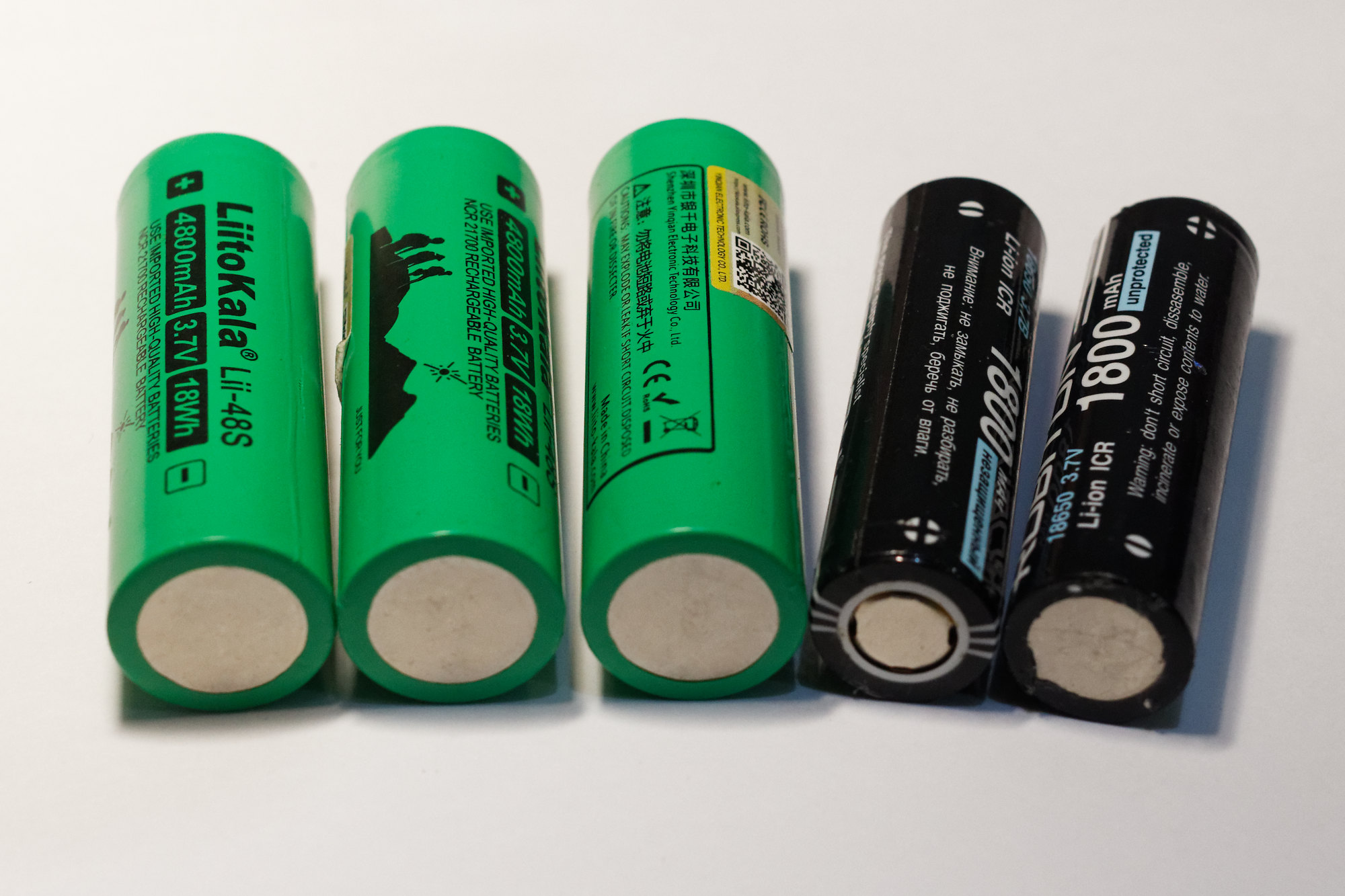
The number depends mostly on which model you have and which path you take. A Corolla or Camry hybrid has a smaller pack and the lowest cost. A RAV4 is a step up, and a three-row Highlander Hybrid sits at the top because there’s simply more battery in it. Across all of them, a new dealer pack is the expensive end, a remanufactured pack from a hybrid specialist runs roughly half, and a module-level recondition of your existing pack is cheaper still. One wrinkle worth knowing: older models use nickel-metal hydride packs that are cheap and easy to refurbish, while the newest cars have started shifting to lithium, which costs more and has fewer aftermarket options for now.
Two things will save you money. First, check your warranty before you pay anyone. Toyota extended its hybrid battery warranty to 10 years or 150,000 miles for model year 2020 and later hybrids, plug-ins, and fuel-cell vehicles; older models carry the original 8 years or 100,000 miles. California and the states that follow its emissions rules have generally seen the longer coverage apply more broadly. A covered pack is free either way. Second, get a real diagnosis. The “replace battery” warning often comes down to a few weak modules, which a recondition can fix for a fraction of a full pack.
Why these cars have a reputation for outliving everything else
The reason the refurbishment market around Toyota hybrids is so mature is that the cars themselves keep running long enough to need it. In iSeeCars’ most recent longevity study of more than 13.5 million vehicles, the Prius topped the passenger-car field with a 12.2 percent chance of reaching 250,000 miles, nearly five times the segment average, and the analysis specifically noted the Highlander and Camry hybrids “not far behind.” Toyota hybrids made up five of the top 25 longest-lasting vehicles in the same study, up from zero just a few years earlier. None of that is really about the battery being indestructible. It’s that Toyota’s hybrid system puts comparatively light demands on the pack (it’s a buffer for the gas engine, not the sole source of propulsion the way it is in a pure EV) and Toyota’s own hybrid powertrains have a two-decade track record of the rest of the drivetrain lasting long enough for the battery question to actually come up. A battery replacement on a car with that kind of mechanical track record is a very different bet than the same repair on a car that’s on its last legs everywhere else.
Put your model and path into the estimator, then add the car’s current value. For a sound Camry or RAV4 hybrid, the battery is small money against the car’s worth, so the answer is fix it, and the only real choice is refurbished versus new. Selling earns its place only when the hybrid is old, worn in other ways, and the battery is one bill among several. The estimator will make that call clear for your exact car.
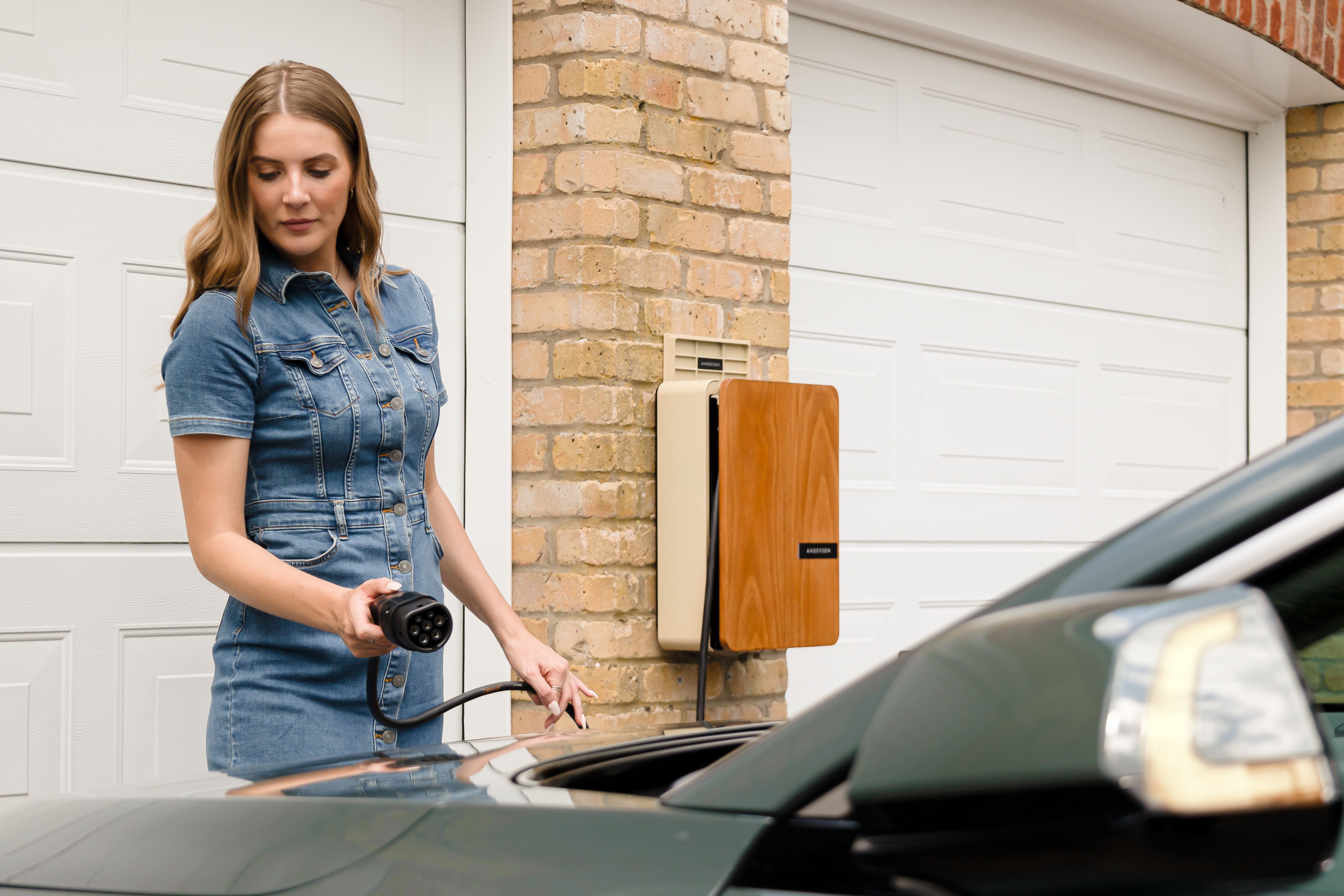
What moves the price
| What changes the price | Effect on cost |
|---|---|
| Which model | A Corolla or Camry hybrid pack is the cheapest. A RAV4 costs a bit more, and a three-row Highlander Hybrid the most because the pack is larger. |
| New vs refurbished | The largest swing. A new dealer pack tops the range; a quality refurbished pack runs roughly half, and a recondition less again. |
| NiMH vs lithium | Older models use nickel-metal hydride packs, which are cheaper and easier to refurbish. Newer lithium packs cost more and have fewer aftermarket options so far. |
| Who installs it | A dealer charges the most. An independent hybrid specialist usually fits a comparable pack for less labor, often with a mobile option. |
| Warranty status | Toyota hybrid batteries carry long warranties, 8 to 10 years depending on year and state. Check yours before paying, because a covered failure is free. |
Tools and further reading
As an Amazon Associate, BatteryJoule earns from qualifying purchases.
- OBDLink MX+ Bluetooth OBD2 adapter (affiliate), Runs Dr. Prius and Hybrid Assistant to read true pack health on Camry, RAV4, Corolla, and Highlander hybrids
- Hybrid battery module load tester (NiMH) (affiliate), Find the weak modules before agreeing to a full pack
- Automotive digital multimeter (affiliate), Read block voltages yourself before you trust a shop's quote