Tesla Battery Replacement Cost (2026): By Model and Path
$7,000–$20,000 typical reviewed July 2026
An out-of-warranty Tesla battery runs about $7,000 to $20,000 in 2026, depending on model and path. Price yours and get the replace-or-sell call.
Covers: Model 3, Model Y, Model S, Model X
Price your Tesla battery pack and decide
Pick your pack, the path you're weighing, and what the car's worth today. The number and our take update as you go. No email, no quote form.
Estimated cost, this path
––
Most pay around – for this option.
Our take: …
Pick your options above and your recommendation appears here.
How this estimate is built
Pack plus labor, U.S. retail · reviewed July 2026. Your real quote varies by shop, region, and pack health.
Every way to buy it, compared
| Path | Typical cost | Longevity | Warranty | Main risk |
|---|---|---|---|---|
| Dealer / OEM new | $14,000–$20,000 | A decade-plus, like new | 4 yr / 50k mi on the part | Top dollar, Tesla-only |
| Independent, new pack | $9,000–$14,000 | A decade-plus | Shop warranty, often 1–4 yr | Fewer shops touch Tesla packs |
| Refurbished pack | $7,000–$11,000 | Several years, cell-dependent | Typically 1–3 yr | Pack health varies by rebuilder |
Replace, refurbish, or sell the Tesla?
On a Model 3 or Y that's still worth $20,000-plus, a fresh pack pays for itself, so replace it and get an independent quote before you accept the dealer's. The math only gets ugly on an older, high-mile car whose value has fallen toward the cost of the battery. That's rare for Teslas today, but if it happens, a refurbished pack or selling as-is beats a new one.
Worth fixing if you…
- Own a Model 3 or Y still worth well above the pack price
- Plan to keep the car for years
- Can get an independent EV shop to quote against Tesla
- Have confirmed the failure is the pack, not a cheaper fault
Lean toward selling if you…
- Have a high-mile car whose value has dropped near the battery cost
- Were quoted dealer-new without a real diagnosis
- Can get a refurbished pack that does the job for thousands less
Start with the good news: most Teslas on the road in 2026 will never need an owner-paid battery, because the 8-year warranty outlasts how long many people keep the car. Coverage actually splits three ways by model and trim: Model 3 and Model Y Standard Range cars get 8 years or 100,000 miles, the Long Range and Performance versions of the same cars stretch to 8 years or 120,000 miles, and Model S, Model X, and Cybertruck get 8 years or 150,000 miles. Every tier guarantees at least 70 percent capacity retention over its window. The bills that land here come from out-of-warranty cars, salvage rebuilds, and the rare early failure. If your car is still inside those limits, stop reading and call Tesla. A qualifying failure is free.
The chemistry split that actually predicts how well a used Tesla ages
Not every Tesla pack is built the same way, and which chemistry yours has is one of the better predictors of long-term health you can check before buying used. Standard Range rear-wheel-drive Model 3 and Model Y cars have shipped with lithium iron phosphate (LFP) cells since around 2021, sourced from CATL, while Long Range and Performance trims, along with the Model S and Model X, use nickel-based NCA or NMC chemistry from Panasonic or LG. The difference shows up clearly in real-world tracking: aggregated battery-health data comparing Model 3 Standard Range cars found NCA-chemistry cars from 2018 to 2020 sitting at roughly 71 to 83 percent measured battery health, while LFP-chemistry cars from 2022 and later were measured at 89 to 93 percent. LFP cells simply tolerate the two things that wear out nickel-based packs, frequent full charges and years of calendar aging, much better. If you’re comparing two similar-year used Teslas, checking which chemistry each one has is worth more than comparing mileage alone.
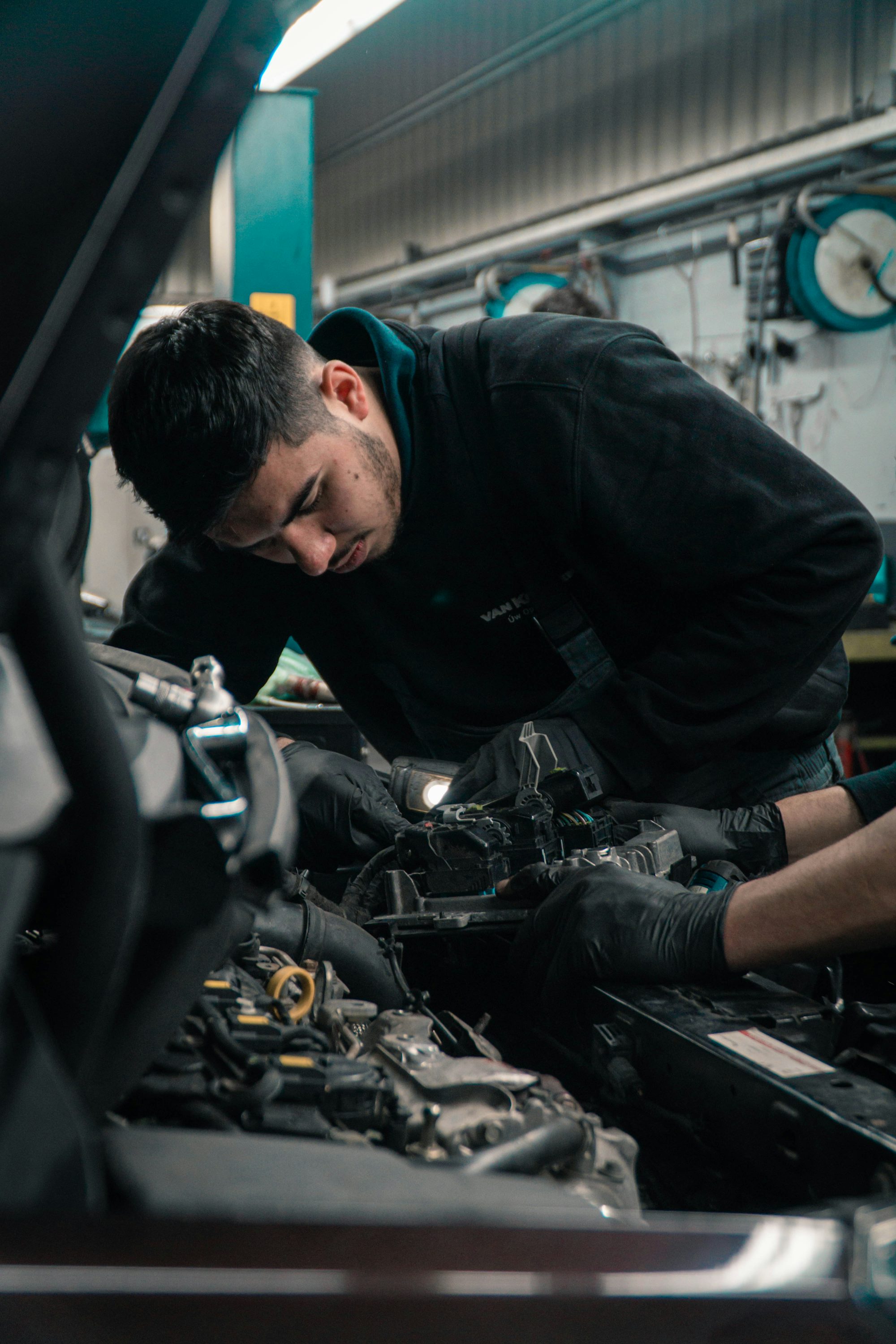
For everyone past that line, the number swings on two things: which Tesla you drive, and who you let touch it. A Model 3 or Model Y Standard Range has the smallest pack and the smallest bill. A Model S or X has a much bigger battery and a much bigger one. Tesla’s own service centers sit at the top of the price range because they fit a complete new or factory-remanufactured pack and bill accordingly. A short list of independent EV shops will do the same job for less labor, and a smaller list will fit a tested used or remanufactured pack that drops the parts cost too. Buy from a rebuilder who actually tests and warranties what they sell, and get the pack’s real state of health in writing before you hand over a deposit.
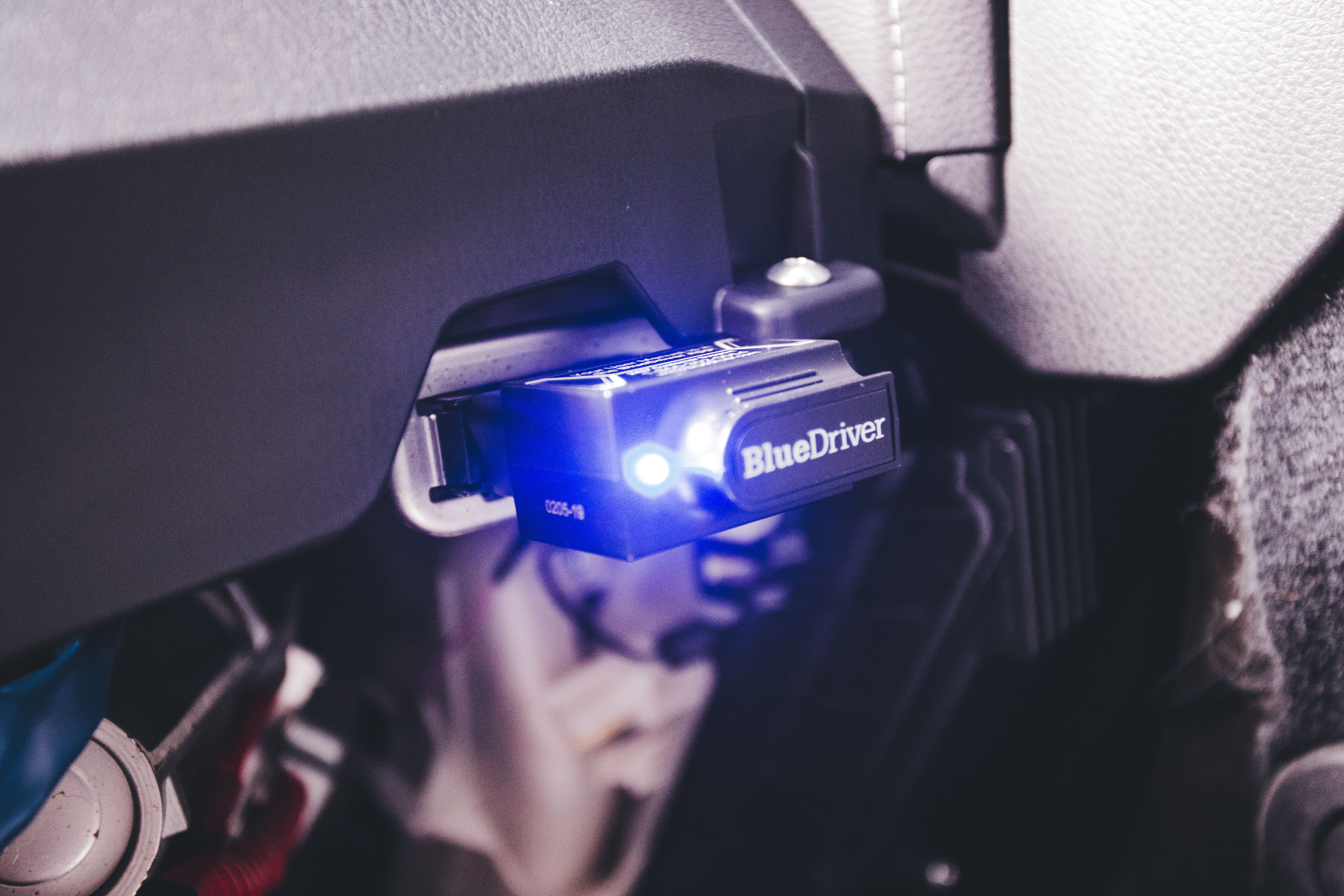
The trap to avoid is paying for a whole pack you don’t need. Tesla tends to quote a full pack replacement even when the failure is a single module, a contactor, or a coolant leak. Those are real, much cheaper repairs that a good EV specialist can diagnose. Before you sign off on a five-figure quote, pay a shop that actually opens packs to tell you what failed. A diagnostic fee is the cheapest insurance you’ll buy all year.
Why displayed range drops faster than actual battery health
One of the more confusing things about Tesla ownership is that the range shown on the dash tends to fall faster in the first few years than the pack’s real state of health does, and that’s worth understanding before you panic over a range number. Large-scale tracking of Model 3 and Model Y batteries found that displayed range declines fairly steeply over roughly the first three years of a car’s life, settling around 64 percent of the EPA-rated figure before leveling off. That sounds alarming until you know the starting point: new Teslas typically deliver something closer to 70 percent of their EPA rating in real-world driving from day one, because Tesla’s official range figures already build in some optimism versus how people actually drive. So the real-world drop from new to three-year-old isn’t from 100 percent of EPA rating down to 64 percent, it’s a smaller decline layered on top of a number that was never quite the EPA figure to begin with. The battery itself isn’t degrading anywhere near as fast as the raw EPA-percentage comparison implies. If you’re shopping used and a seller’s displayed range looks low against the window sticker, ask for an actual battery health reading rather than doing EPA math in your head.
Run your model and the path you’re weighing through the estimator above, then put in what the car is worth today. For nearly every Tesla, the car is worth far more than the pack, so the answer is replace, and the real decision is just Tesla versus an independent. The verdict only tips toward selling on an old, high-mileage car whose value has fallen toward the cost of the battery, which is still uncommon for these cars. If that’s you, a refurbished pack or selling as-is almost always wins.
What moves the price
| What changes the price | Effect on cost |
|---|---|
| Which model | A Model 3 or Y Standard Range is the cheapest pack to replace. A Model S or X, with a much larger battery, can run 40 to 50 percent more. |
| OEM-new vs refurbished | A new Tesla pack is the most you'll pay. A remanufactured or low-mileage used pack from a specialist can cut the bill by a third or more. |
| Who does the work | Tesla service centers charge the most. A growing handful of independent EV shops will fit a pack for less labor, where they exist. |
| What actually failed | Sometimes it's a single bad module or a coolant or contactor fault, not the whole pack. A real diagnosis can turn a $15,000 quote into a far smaller repair. |
| Warranty status | Inside Tesla's 8-year battery warranty (100,000 to 150,000 miles by model), a qualifying failure is $0. Always confirm before you pay for anything. |
Tools and further reading
As an Amazon Associate, BatteryJoule earns from qualifying purchases.
- Tesla OBD diagnostic adapter (Scan My Tesla compatible) (affiliate), Tesla has no standard OBD2 port; this CAN adapter plus the Scan My Tesla app reads real pack health and cell voltages