Prius Battery Replacement Cost (2026): Every Path Priced
$900–$5,000 typical reviewed July 2026
A Prius hybrid battery costs about $900 to $5,000 in 2026, from a reconditioned pack to dealer-new. Price yours by generation and see if it's worth it.
Covers: Prius (Gen 2–4), Prius Prime
Price your Prius hybrid battery and decide
Pick your pack, the path you're weighing, and what the car's worth today. The number and our take update as you go. No email, no quote form.
Estimated cost, this path
––
Most pay around – for this option.
Our take: …
Pick your options above and your recommendation appears here.
How this estimate is built
Pack plus labor, U.S. retail · reviewed July 2026. Your real quote varies by shop, region, and pack health.
Every way to buy it, compared
| Path | Typical cost | Longevity | Warranty | Main risk |
|---|---|---|---|---|
| Dealer / OEM new | $3,500–$5,000 | 8–10 years, like new | Toyota part warranty | The most you can pay |
| Independent, new pack | $2,200–$3,500 | 8–10 years | Shop, often 1–3 yr | Use a hybrid-savvy shop |
| Refurbished pack | $1,400–$2,400 | 3–5 years typical | 1–3 yr common | Quality varies by rebuilder |
| Reconditioned | $900–$1,800 | 2–4 years | Often 1–2 yr | Only the weak modules get swapped |
| DIY | $500–$1,200 | Depends on your modules | None | High-voltage work, real skill needed |
Replace, refurbish, or sell the Prius?
For a Prius that's mechanically sound and otherwise worth keeping, a refurbished or reconditioned battery is one of the best-value repairs in all of motoring: a thousand or two buys you years more out of a car that gets 50 mpg. The only time selling wins is a tired, high-mile Prius with other big problems stacking up, where even a cheap battery is good money after bad.
Worth fixing if you…
- Have a Prius that's otherwise solid and rust-free
- Want years more of 50-mpg driving for a small spend
- Are open to a refurbished or reconditioned pack, not just dealer-new
- Got a P0A80 code and want a real diagnosis first
Lean toward selling if you…
- Are facing a stack of other major repairs at the same time
- Have heavy rust or a tired transaxle
- Were quoted dealer-new and the car's value is already low
The Prius is the reason a site like this exists. It’s the car most likely to put a normal person in front of a confusing, high-stakes battery decision, because there are so many of them, they last forever mechanically, and the traction battery is the one big-ticket part that eventually wears out. The good news is that it’s also the car with the most options, so a dead-battery Prius is rarely a totaled Prius.
That “lasts forever” reputation isn’t just folklore. In iSeeCars’ most recent longevity study of over 13.5 million vehicles, the Prius topped every other passenger car with a 12.2 percent chance of reaching 250,000 miles, nearly five times the average for its segment, and the study specifically flagged Highlander and Camry hybrids as close behind on the same measure. That durability changes the entire calculus of a battery repair. Spending $1,500 on a refurbished pack for a car with genuine odds of running to a quarter million miles is a very different bet than the same repair on a car nobody expects to outlive its transmission.
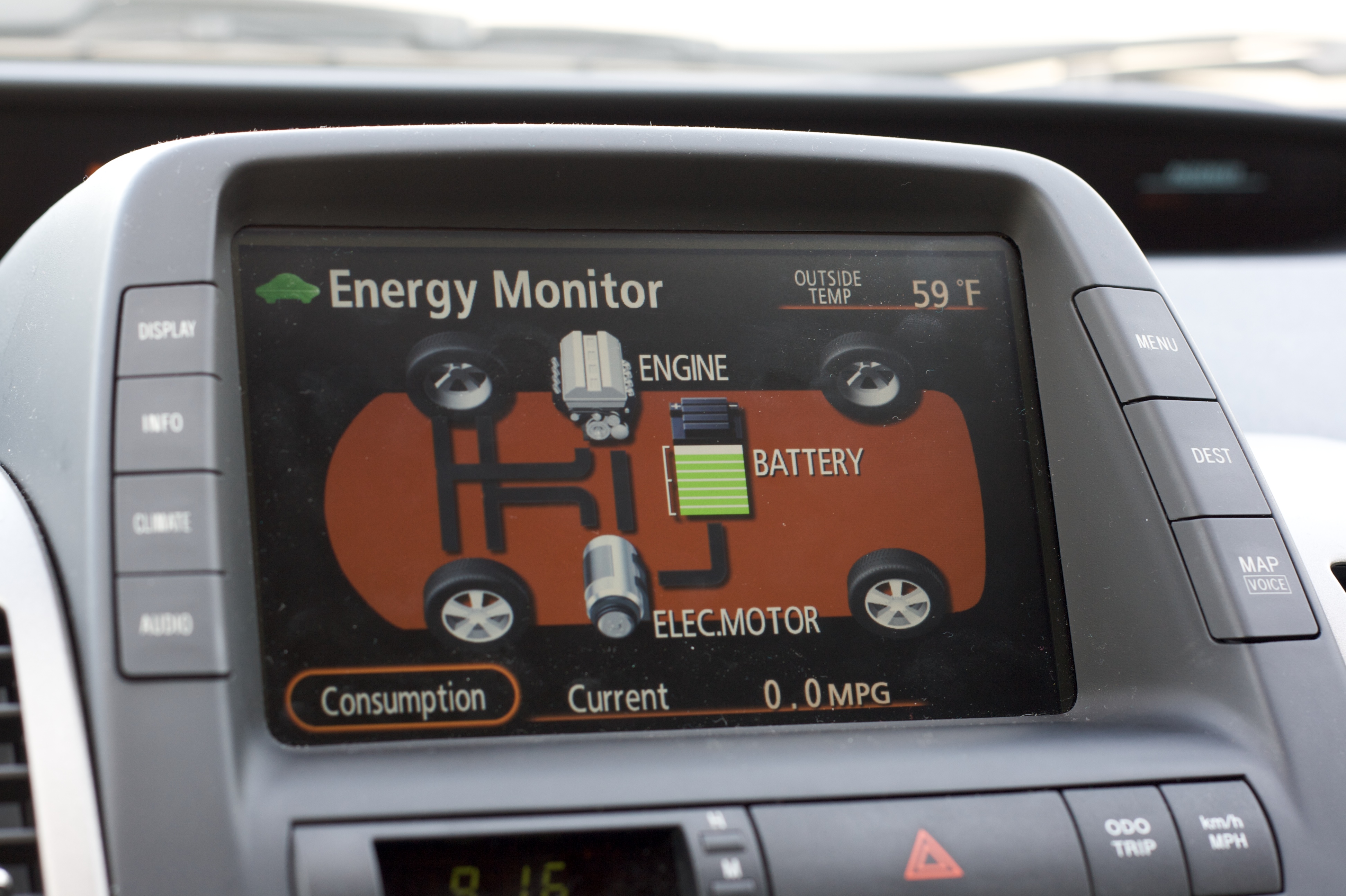
Here’s the range that matters. A brand-new pack fitted at a Toyota dealer is the top of the market, usually $3,500 to $5,000. You almost never need to pay that. A remanufactured pack from a hybrid specialist, rebalanced and warrantied, runs roughly half. Buy from a rebuilder who actually tests the cells and stands behind the pack, not whichever listing is cheapest that week; that’s the difference between a battery that lasts and one that’s back in your driveway within the year. A module-level recondition, where a shop swaps only the failed cells in your own pack, can come in under $1,500. And at the bottom, a determined DIYer with the right gear and a healthy respect for high voltage can do it for the price of a few modules. The generation matters too: an older Gen 2 or 3 pack is cheapest, a Gen 4 a bit more, and a Prius Prime plug-in, with its larger lithium pack, more again. Real-world life hinges on climate and driving more than on which path you pick. Heat is the main enemy of a nickel-metal hydride pack, so a Prius that’s spent its life baking in Phoenix will need a new one well before the same car in Seattle does.
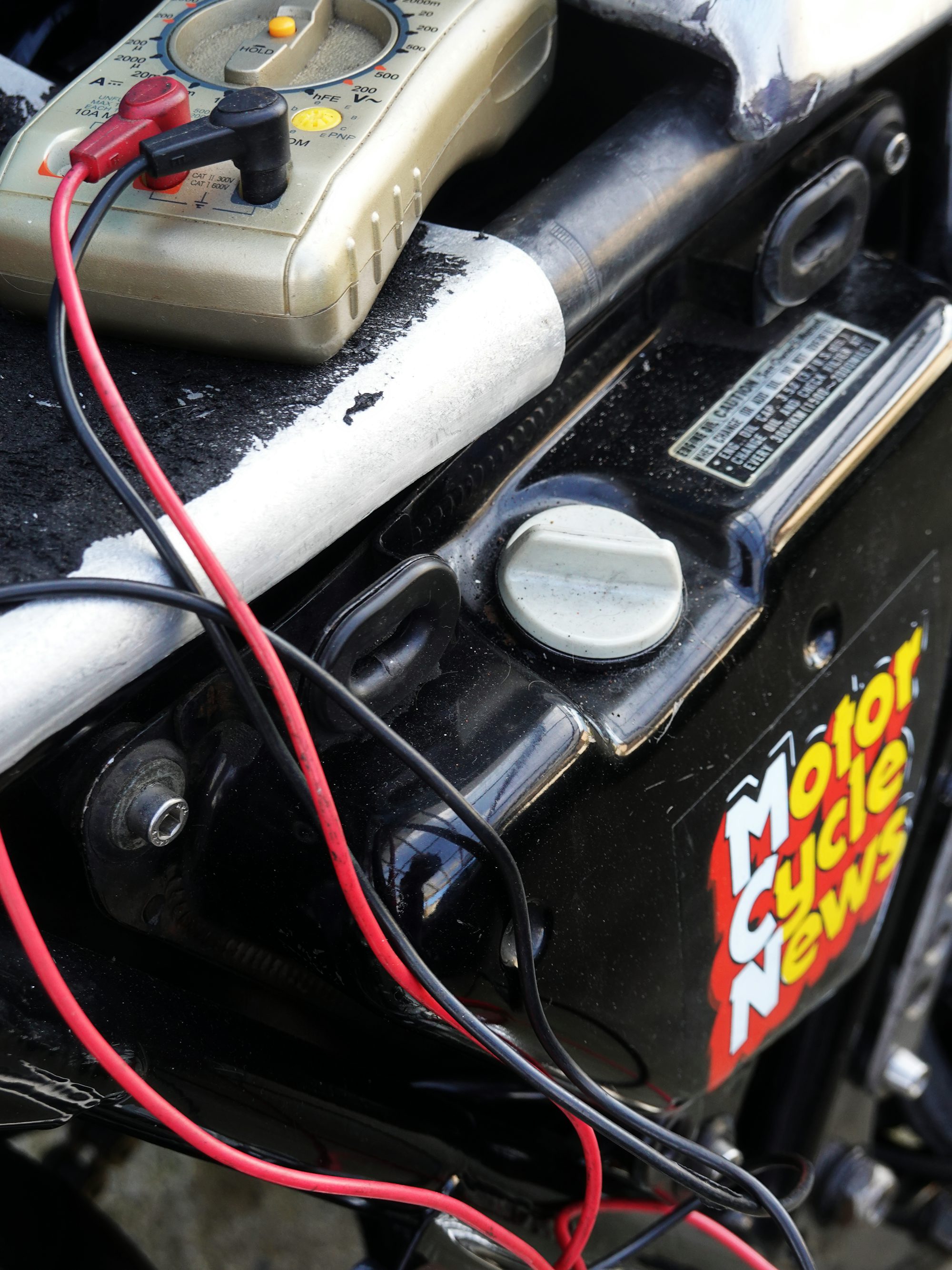
Before you spend anything, understand the P0A80 code. It reads as “replace hybrid battery,” and a dealer will quote you a whole pack on the strength of it. In reality it usually means a handful of weak modules have dragged the pack out of balance. A shop that reads the individual block voltages can tell you whether you’re looking at a $1,200 recondition or a genuine full replacement. Skipping that step is how people overpay by thousands.
Why the Prius Prime is really a different repair, not just a pricier one
The regular Prius across Gen 2 through Gen 4 uses a small nickel-metal hydride pack, around 0.75 to 1.3 kWh depending on generation, that’s designed purely to smooth out the gas engine’s work rather than drive the car any real distance on electricity alone. The Prius Prime plug-in hybrid is a genuinely different animal: it pairs a much larger 13.6 kWh lithium-ion battery (about 10.9 kWh usable, since Toyota holds some capacity in reserve to protect the cells) that’s built to deliver up to 44 miles of all-electric driving before the gas engine ever needs to kick in. That’s roughly ten times the usable energy of the standard car’s pack, in a completely different chemistry, which is the real reason a Prime repair costs more than a regular Prius repair, not just Prime-specific parts markup. It also means the NiMH-focused reconditioning and module-swap market that keeps regular Prius repairs so cheap doesn’t translate directly to a Prime; lithium packs fail and get serviced differently, and that aftermarket is still younger and thinner. If you’re shopping used and deciding between a regular Prius and a Prime, know that you’re choosing between two different battery ecosystems, not just two trim levels.
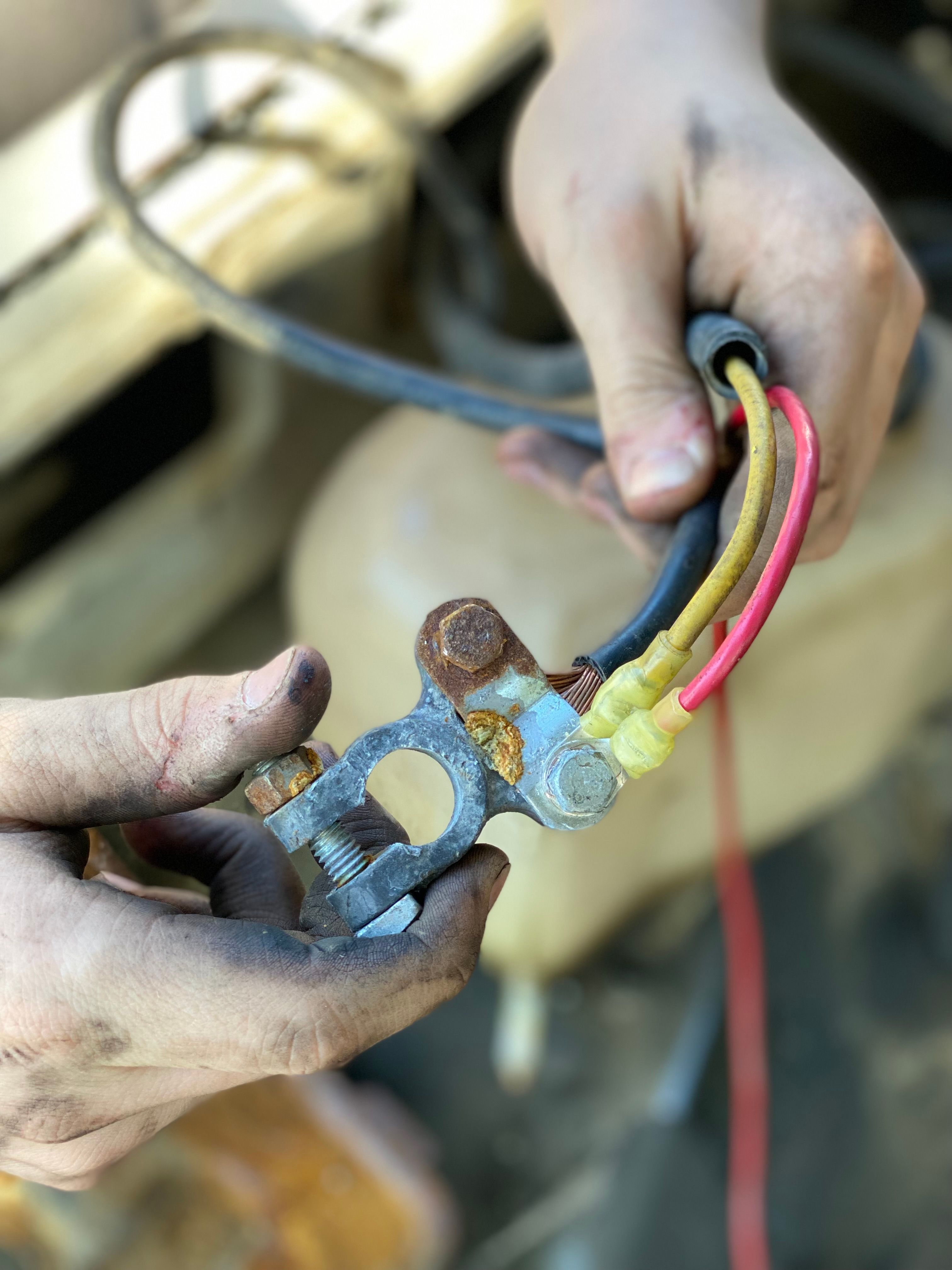
Put your generation and the path you’re considering into the estimator, then add what the car is worth. For a clean, rust-free Prius that still drives well, the answer is almost always to fix it: a refurbished or reconditioned battery buys years of 50-mpg driving for a small fraction of what a replacement car costs. Selling only makes sense when the battery is the last straw on a car that’s tired everywhere else. The estimator will tell you which side of that line you’re on.
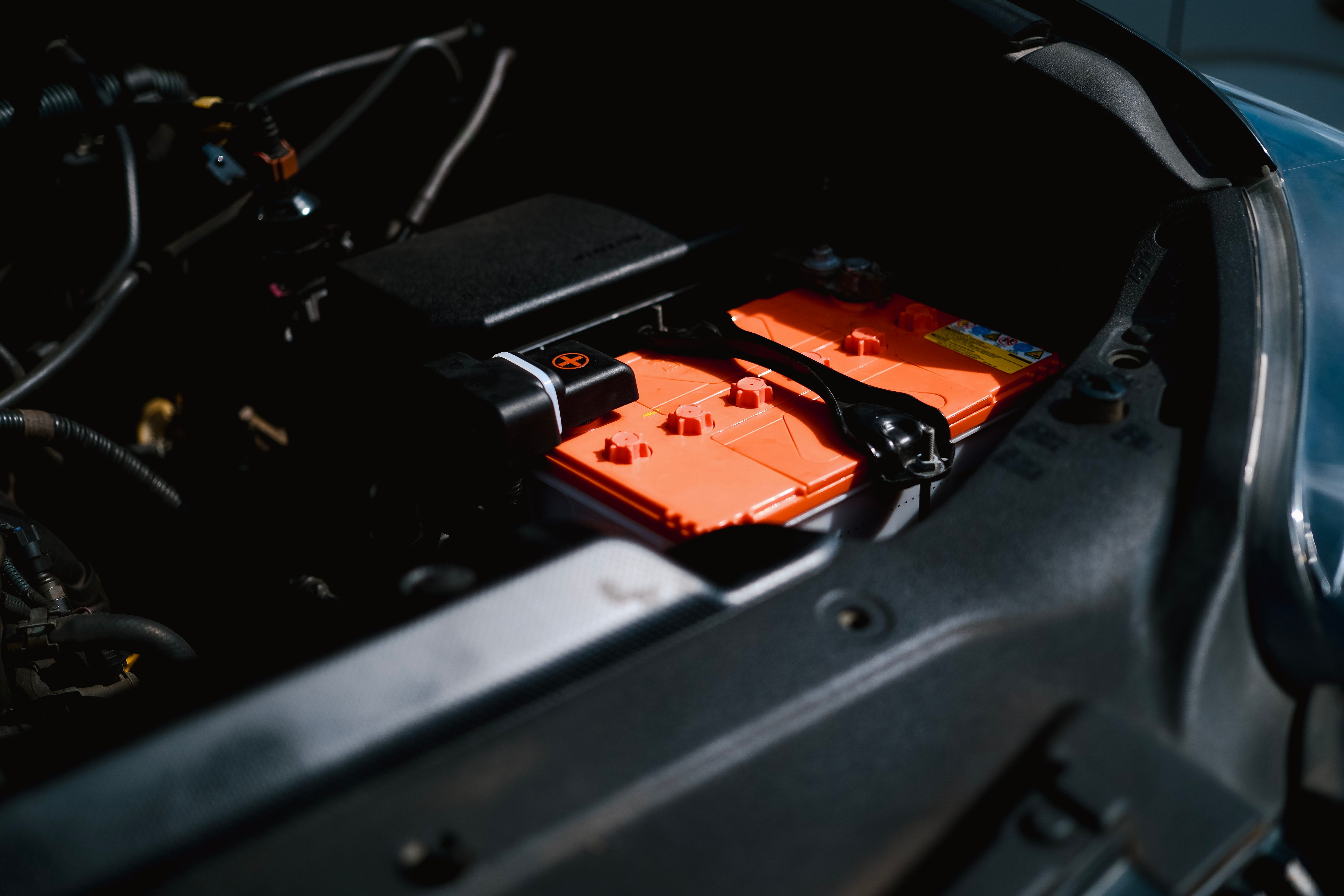
What moves the price
| What changes the price | Effect on cost |
|---|---|
| Generation | An older Gen 2 or 3 pack is the cheapest. A newer Gen 4, and especially a Prius Prime plug-in, has a larger pack and costs more. |
| New vs refurbished vs reconditioned | This is the biggest swing. A new dealer pack is $3,500-plus; a quality refurbished pack is roughly half that; a module-level recondition can be under $1,500. |
| Who installs it | A Toyota dealer charges the most. An independent hybrid shop often fits the same or a comparable pack for several hundred less in labor. |
| Mobile vs in-shop | Several specialists do mobile installs in your driveway, which can save money but should still come with a real warranty. |
| The P0A80 reality | The classic 'replace hybrid battery' code often means a few weak modules, not a dead pack. A recondition can fix that for a fraction of a full replacement. |
Tools and further reading
As an Amazon Associate, BatteryJoule earns from qualifying purchases.
- OBDLink MX+ Bluetooth OBD2 adapter (affiliate), The adapter the Dr. Prius and Hybrid Assistant apps use to read true pack state of health and per-block voltages
- Hybrid battery module load tester (NiMH) (affiliate), Finds the weak modules so you can recondition instead of buying a whole pack
- Hybrid battery grid charger / reconditioner (affiliate), For a DIY recondition: rebalances a tired pack over a few days instead of replacing it
- Automotive digital multimeter (affiliate), Read block voltages yourself before you trust a P0A80 quote